
Reolink NVR Systems: complete video surveillance in 2026
Reolink NVR (Network Video Recorder) kits offer a turnkey video surveillance solution: NVR + PoE cameras + cables + optional hard drive. One cable per camera, continuous local recording and centralised management via screen or Reolink app.
REOLINK STORE
REOLINK CAMERAS ARGUS
REOLINK CAMERAS DUO
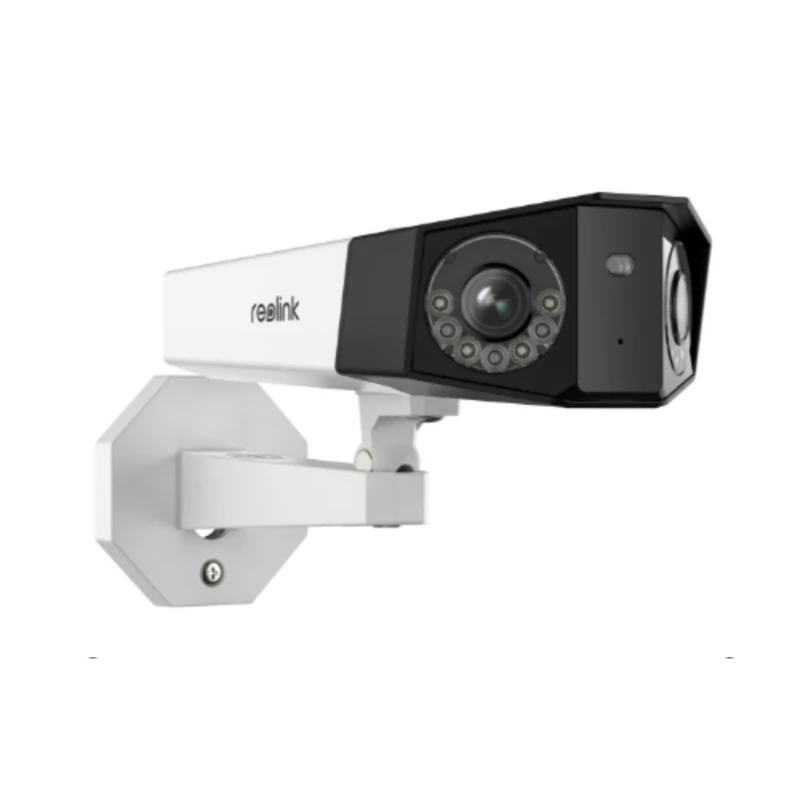
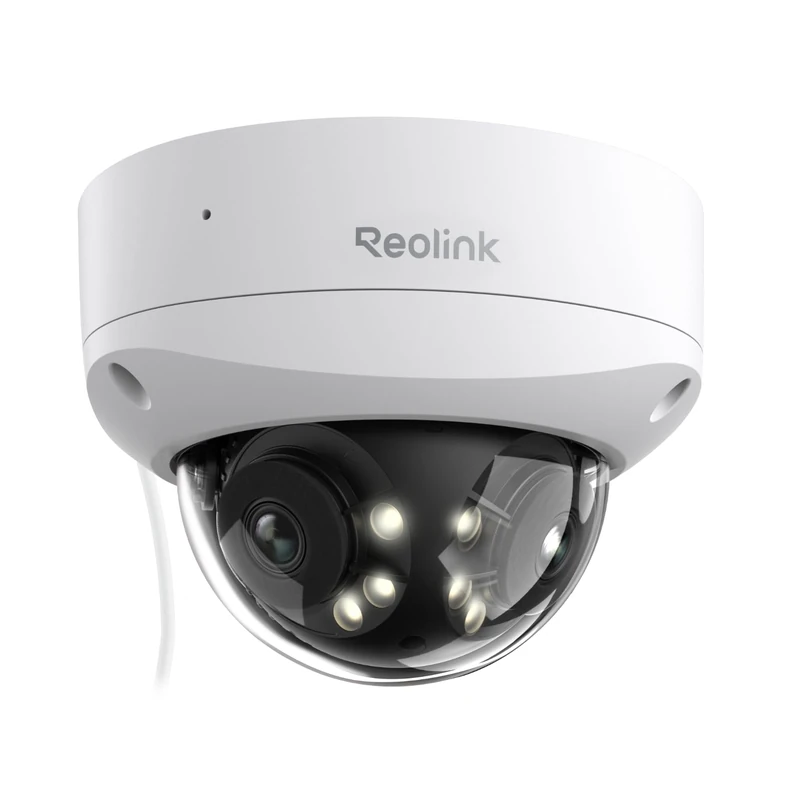
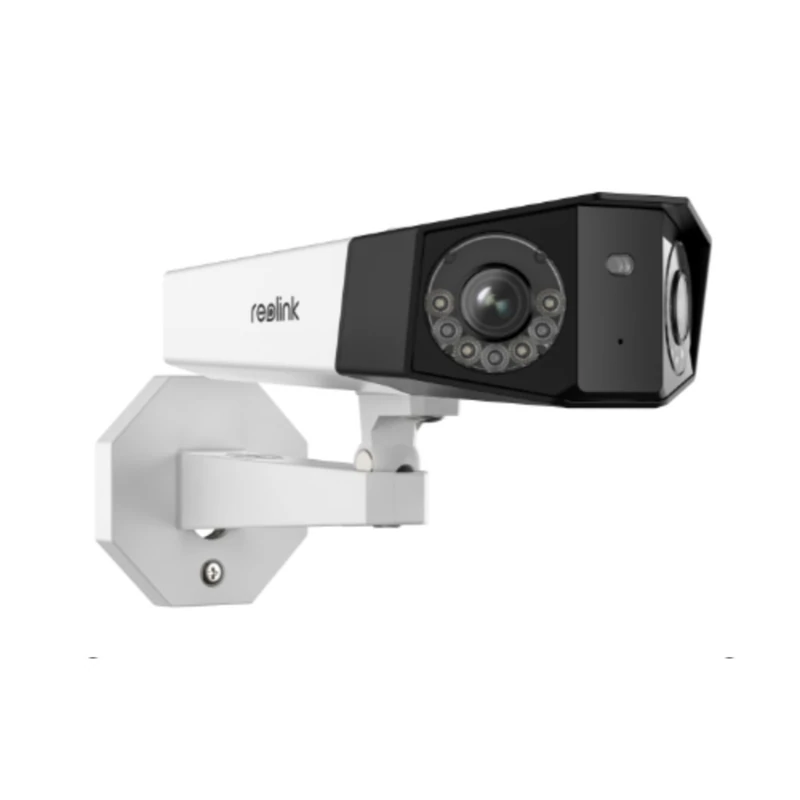
REOLINK CAMERAS E1
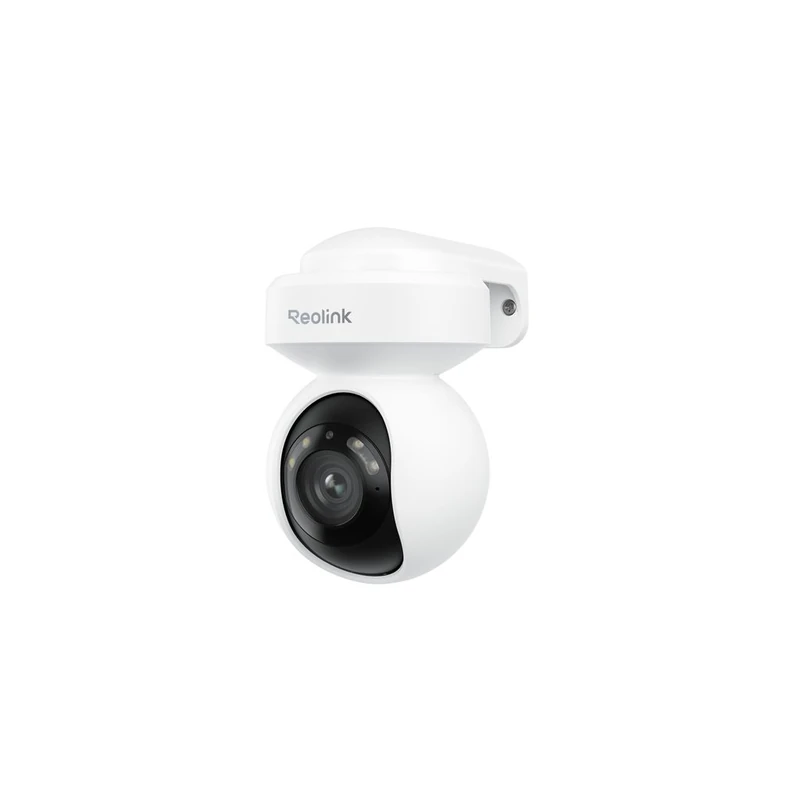
REOLINK CAMERAS GO
REOLINK CAMERAS RLC
REOLINK CAMERAS RLC
REOLINK CAMERAS TRACKMIX
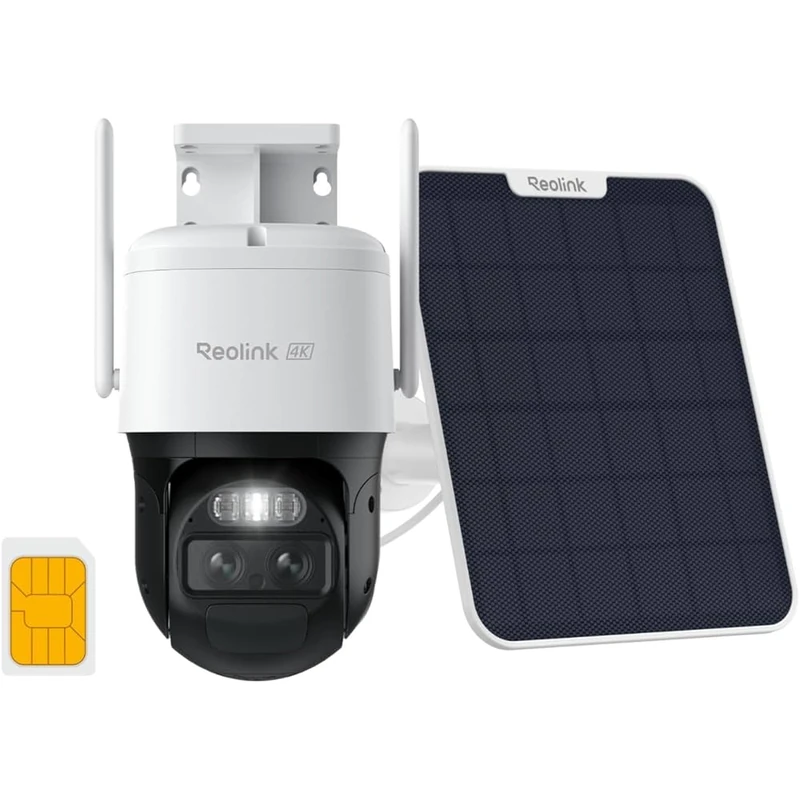
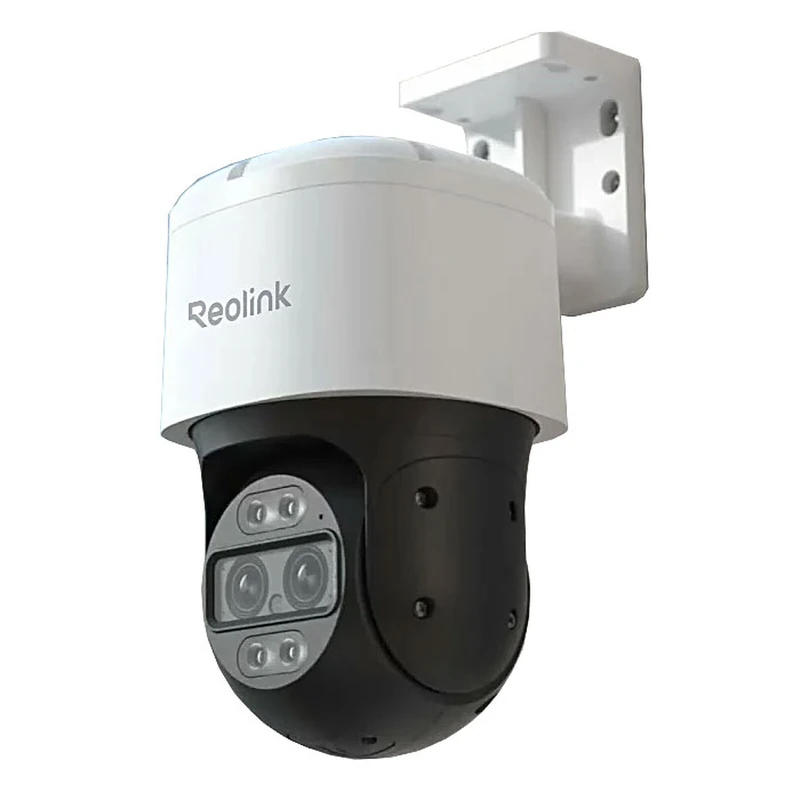
The best Reolink NVR kits
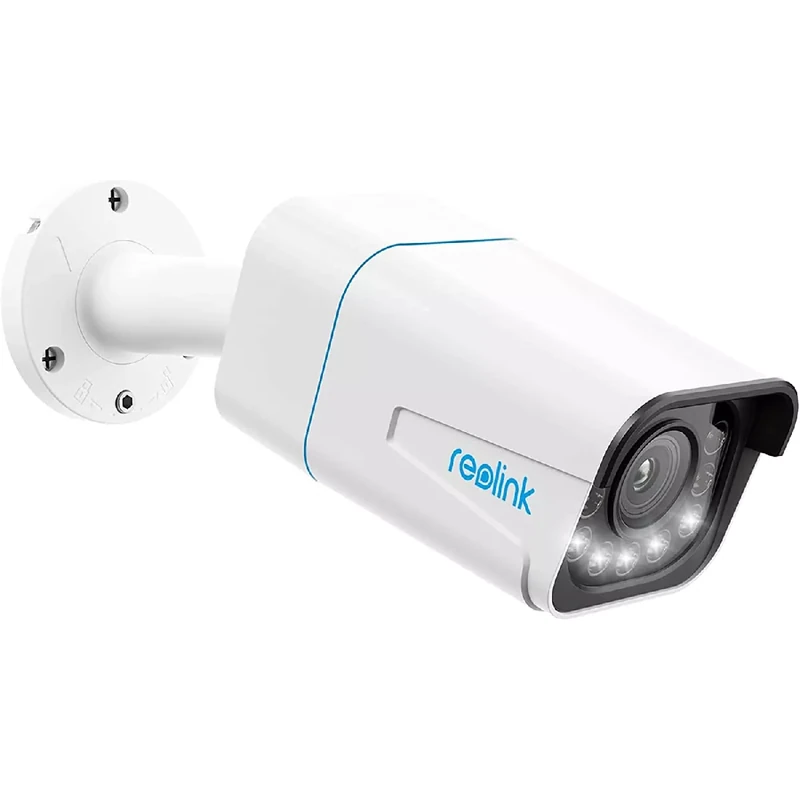
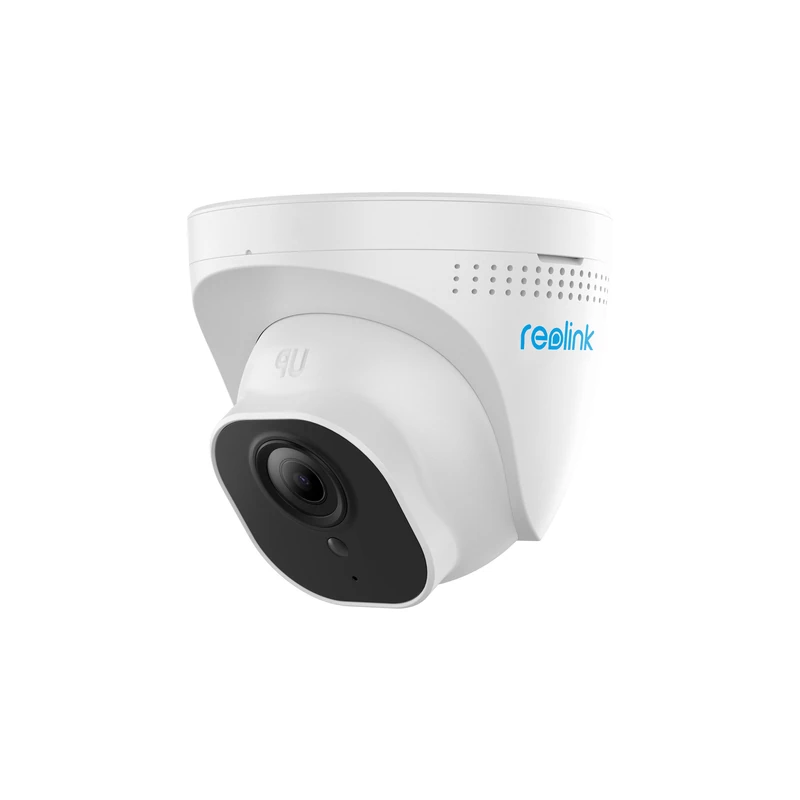
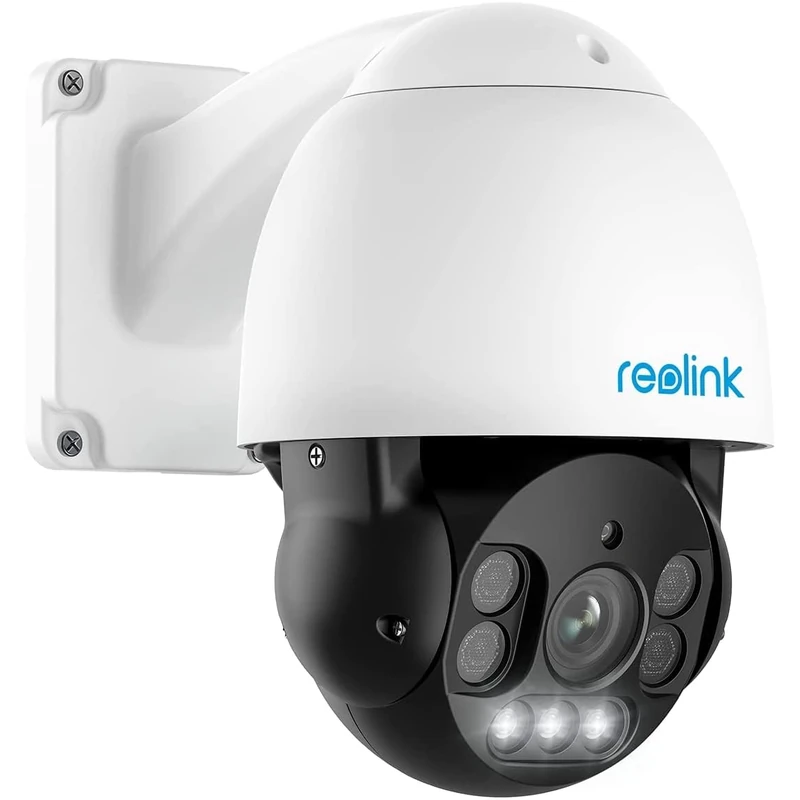
Les kits NVR Reolink combinent caméras PoE 4K et enregistreur local — sans abonnement, sans cloud, stockage jusqu’à 8 To.
RLK8-810B kit — 8 x 4K PoE cameras (recommended for homes)
The RLK8-810B kit is the most popular solution for the home. It includes an 8-channel NVR and 8 RLC-810A cameras in 4K. Delivered with pre-installed cables, it works straight out of the box.
Kit contents:
- Reolink 8-port PoE NVR
- 8 x RLC-810A 4K cameras
- Pre-wired Ethernet cables
- Pre-installed: 2 TB hard drive (depending on version)
- Max resolution: 4K (8 MP)
- Storage: HDD up to 8 TB (SATA 3.5″)
- PoE ports: 8 (100 Mbps)
- Video output: HDMI + VGA
- Approximate price: £320–420
- 16 PoE ports
- 16 x RLC-810A 4K cameras
- Storage up to 14 TB
- Approximate price: £600–750
- RLN8-410: 8 channels, up to 8 TB — ~£110
- RLN16-410: 16 channels, up to 12 TB — ~£165
The RLK8-810B kit is the plug-and-play solution for securing an 8-zone home. 8 x 4K PoE cameras powered and recorded by an 8-channel NVR, everything in one box.
NVR specifications:
RLK16-810B kit — 16 x 4K PoE cameras (large property)
For large houses, commercial buildings or farms, the 16-channel kit covers the entire perimeter with 16 4K cameras.
Specifications:
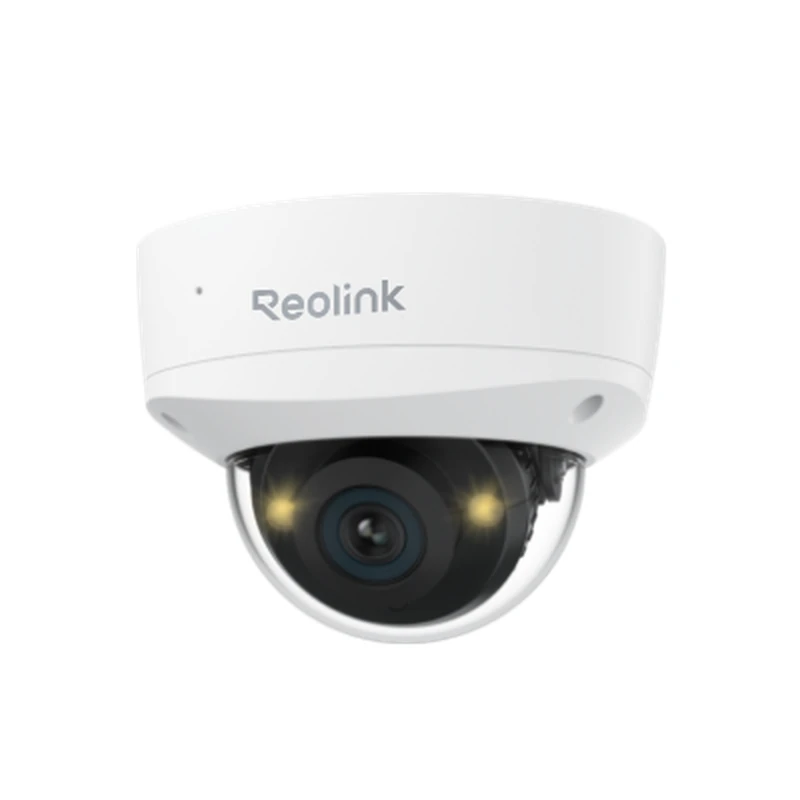
The RLK16-810B kit is sized for large properties: 16 x 4K PoE cameras, 16-channel NVR, up to 8 TB storage. Professional CCTV at consumer prices.
Reolink NVR alone — For existing cameras
The Reolink NVR can be used alone to centralise existing PoE cameras via Reolink or ONVIF protocol.
Standalone NVR models:
Choosing between PoE NVR and WiFi
| Criterion | PoE NVR | WiFi only |
|---|---|---|
| Reliability | Maximum | Depends on network |
| Installation | Cabling required | No cable |
| Continuous recording | Yes (24/7) | Limited (battery) |
| Image quality | Maximum | Very good |
| Initial cost | Higher | More accessible |
Frequently asked questions
Does the Reolink NVR need a hard drive?
The NVR works without a hard drive (cameras record to microSD), but an HDD is strongly recommended for continuous recording and long-term storage. Kits with pre-installed hard drive (2 TB) are available.
Can cameras included in kits be replaced?
Yes, cameras can be replaced by any Reolink PoE camera or third-party ONVIF-compatible cameras.
See also
Calculating the Storage Capacity You Need for a Reolink NVR
NVR storage sizing depends on three variables: number of cameras, chosen recording resolution and desired retention period. At 1080p with H.265 compression, one camera consumes approximately 30 to 40 GB per day in continuous 24-hour recording. At 4K, this rises to 80–100 GB per camera per day. Based on these figures, a 4 TB hard drive stores approximately 3 to 4 weeks of 1080p recording for 4 cameras, or around 10 days at 4K. Most Reolink NVRs accept HDDs from 1 TB to 16 TB depending on the model.
In practice, motion-triggered recording (instead of continuous 24-hour) reduces storage consumption by 70 to 80%, allowing months of history to be retained on a single 4 TB drive. Reolink NVRs support standard 3.5″ SATA HDDs from Seagate, Western Digital Surveillance and Toshiba N300. RAID configuration is not native on consumer-grade Reolink NVRs, but some models offer a second HDD slot for a local redundant backup.
Reolink NVR vs Cloud Storage: A Comparison
A local NVR offers three decisive advantages over cloud storage: no monthly subscription (the hard drive is the only recurring cost), complete privacy for your footage (no stream passes through the Internet unless you choose to access it remotely), and offline availability (recordings remain accessible even during Internet outages). In return, it requires an upfront investment (NVR + HDD + cameras), physical installation and occasional maintenance (checking disk space, replacing the HDD every 5–7 years).
Reolink Cloud offers accessibility from anywhere without complex network setup and protection against physical theft of the recorder. Plans start from a few pounds per month for 30 days of retention. The recommended hybrid solution combines both: primary recording on a local NVR with automatic cloud backup of detection clips, for maximum protection without exclusive dependence on Internet connectivity.
Frequently Asked Questions — Reolink NVR Systems
Which hard drive should I choose for a Reolink NVR?
Choose a “Surveillance” hard drive (Seagate SkyHawk, WD Purple) designed for continuous 24-hour write operations — far more durable than a standard desktop HDD. Minimum recommended capacity is 2 TB for 4 cameras at 1080p.
Can I access a Reolink NVR remotely from my smartphone?
Yes. The Reolink app enables access to the live feed and NVR recordings from anywhere in the world via your home Internet connection. No complex network configuration (port forwarding) is needed thanks to Reolink P2P technology.
How many cameras can a Reolink NVR support?
Reolink NVRs come in 8 and 16 PoE port versions. The 8-port model supports up to 8 simultaneous cameras; the 16-port model up to 16 cameras, with continuous monitoring and recording of all streams in parallel.
Does a Reolink NVR work without an Internet connection?
Yes. The NVR records and manages cameras completely autonomously on the local network, with no Internet dependency. Remote access and push notifications require connectivity, but local recording continues regardless.
Are Reolink NVRs compatible with cameras from other brands?
Partially. Reolink NVRs support the ONVIF protocol for third-party cameras, but with reduced functionality (no centralised AI detection, no Smart Detection). Full integration is guaranteed with cameras from the Reolink RLC range.