
REOLINK Camera
REOLINK CAMERAS ARGUS
REOLINK CAMERAS DUO
REOLINK CAMERAS E1
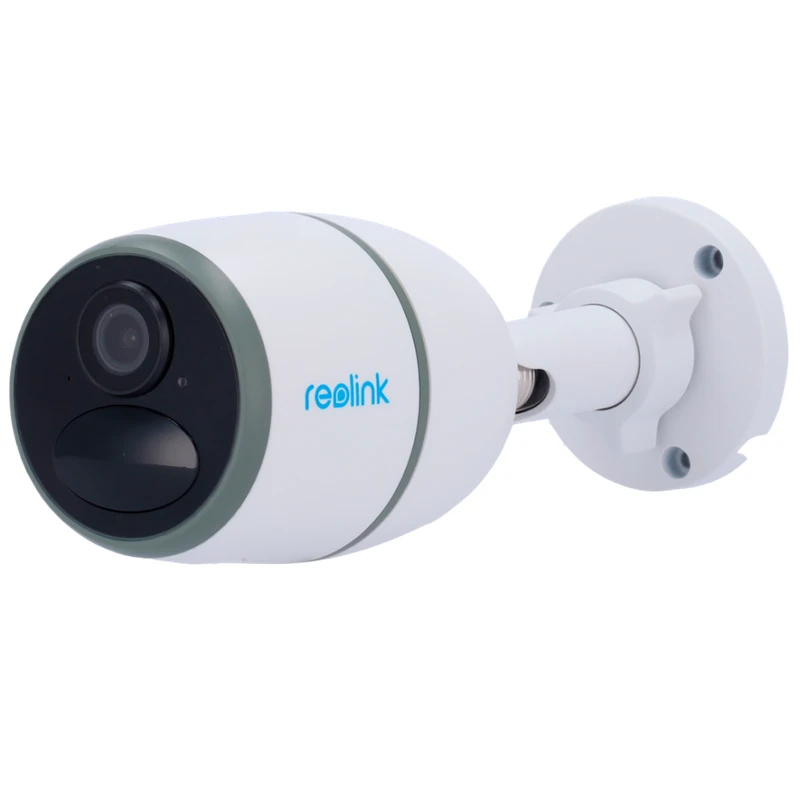
REOLINK CAMERAS GO
REOLINK CAMERAS RLC
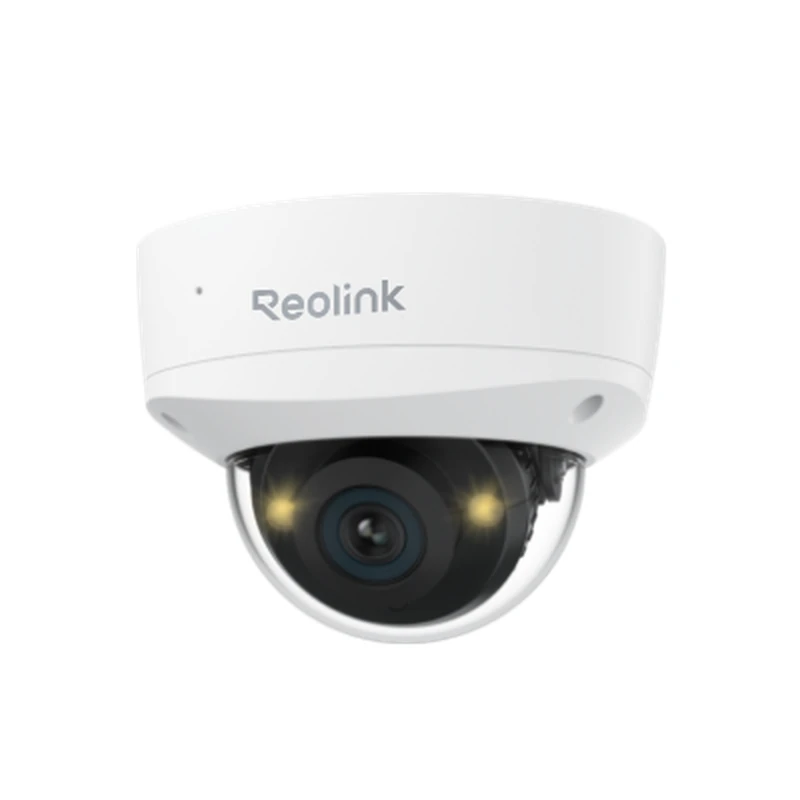
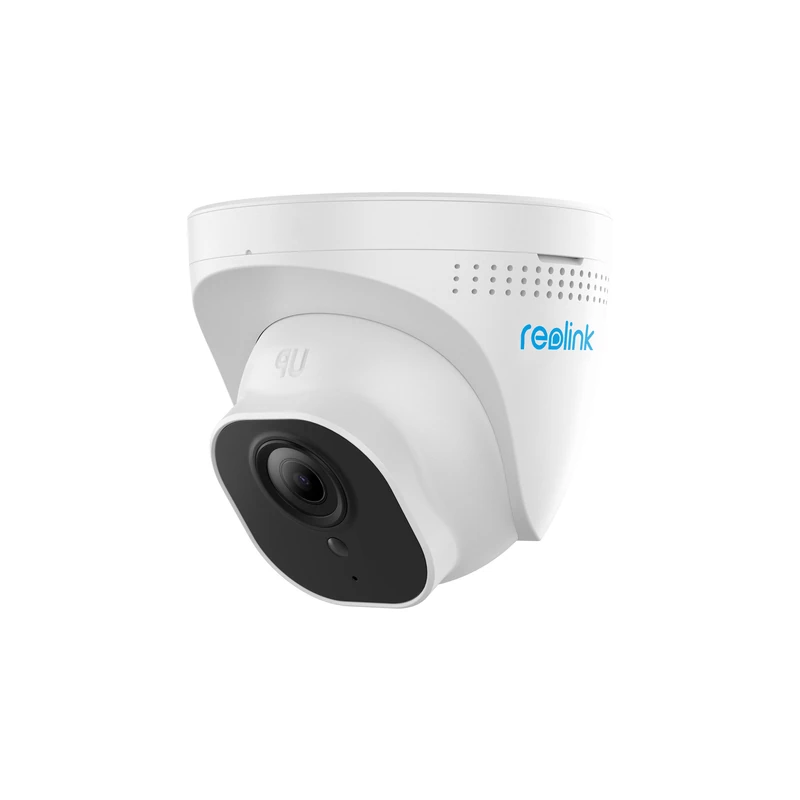
REOLINK CAMERAS RLC
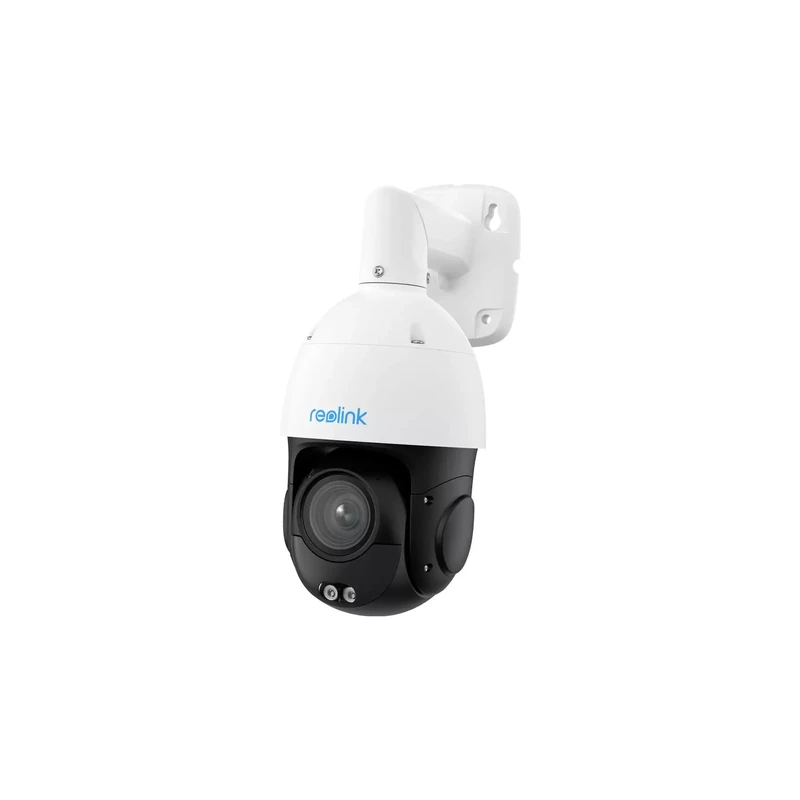
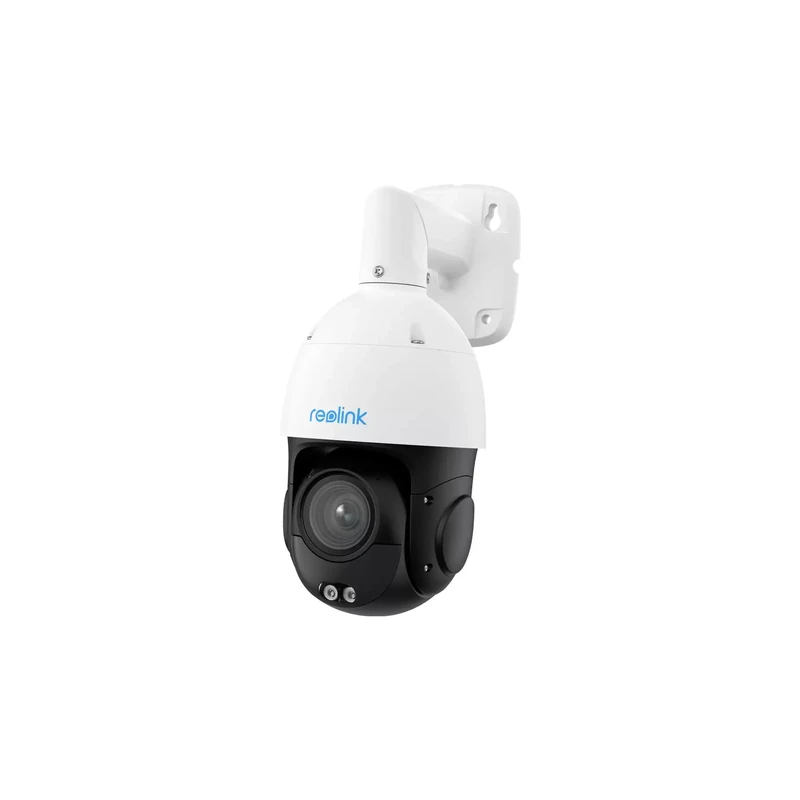
REOLINK CAMERAS TRACKMIX
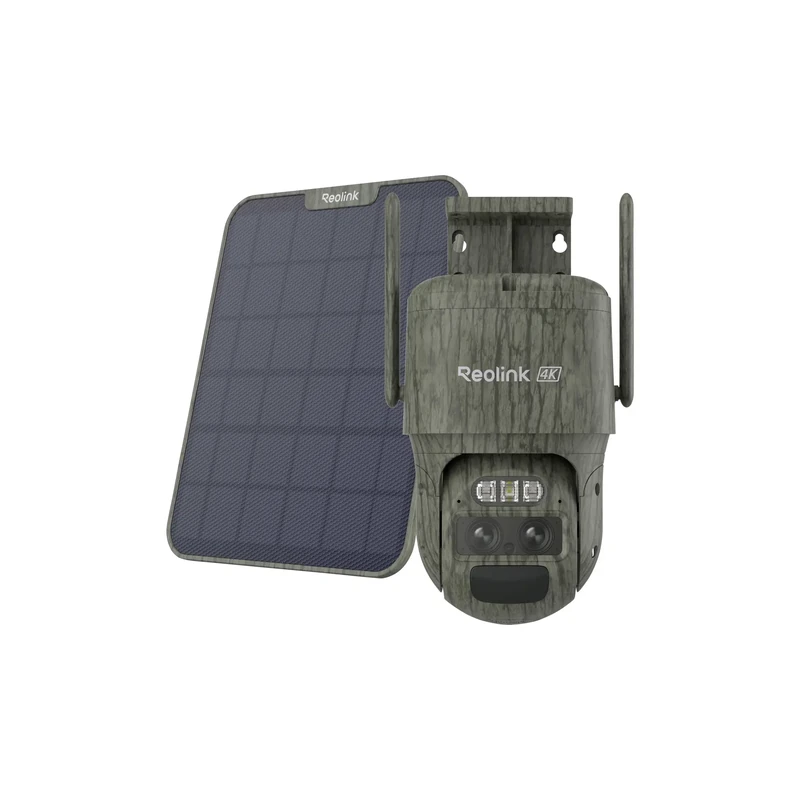
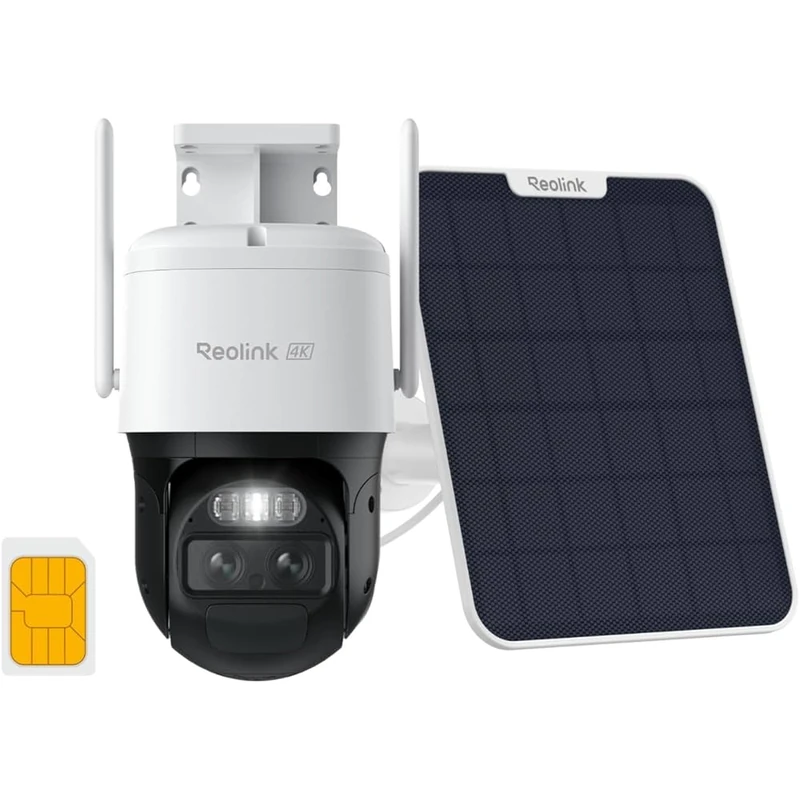
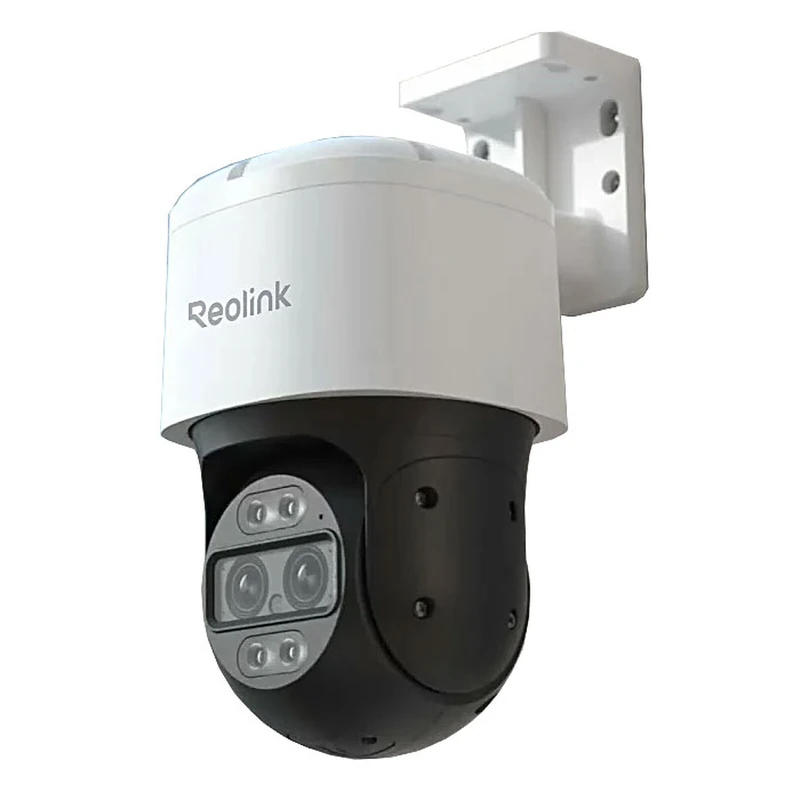
By Thomas Rivière, Product Analyst — Last updated: 30 September 2026
Reolink vs Competitors 2026: who to choose?
Reolink is often compared to other video surveillance brands. Here is an objective analysis of the main competitors to help you make the right choice.
Reolink vs Arlo
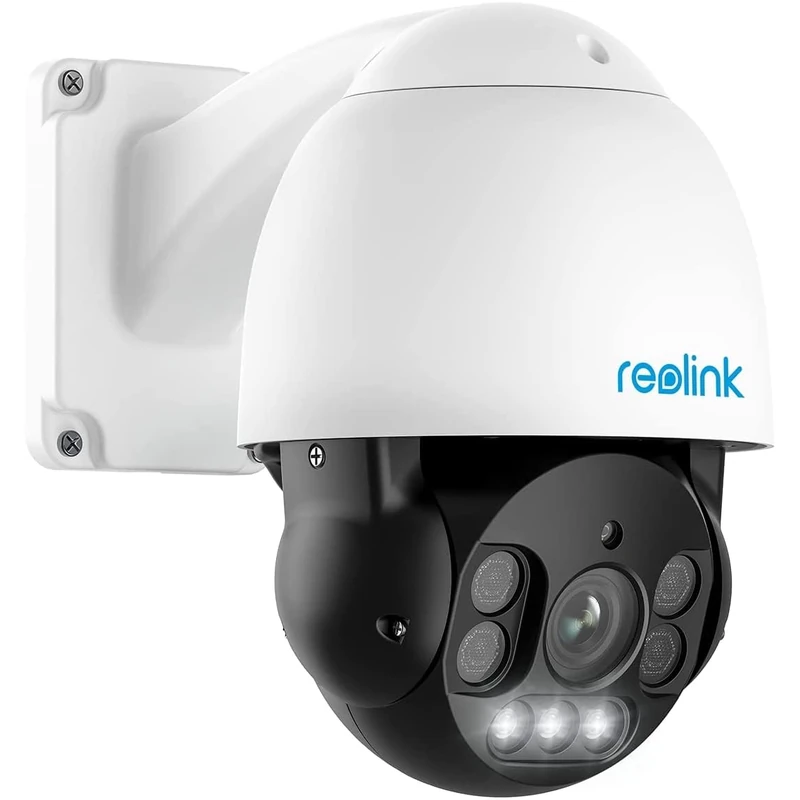
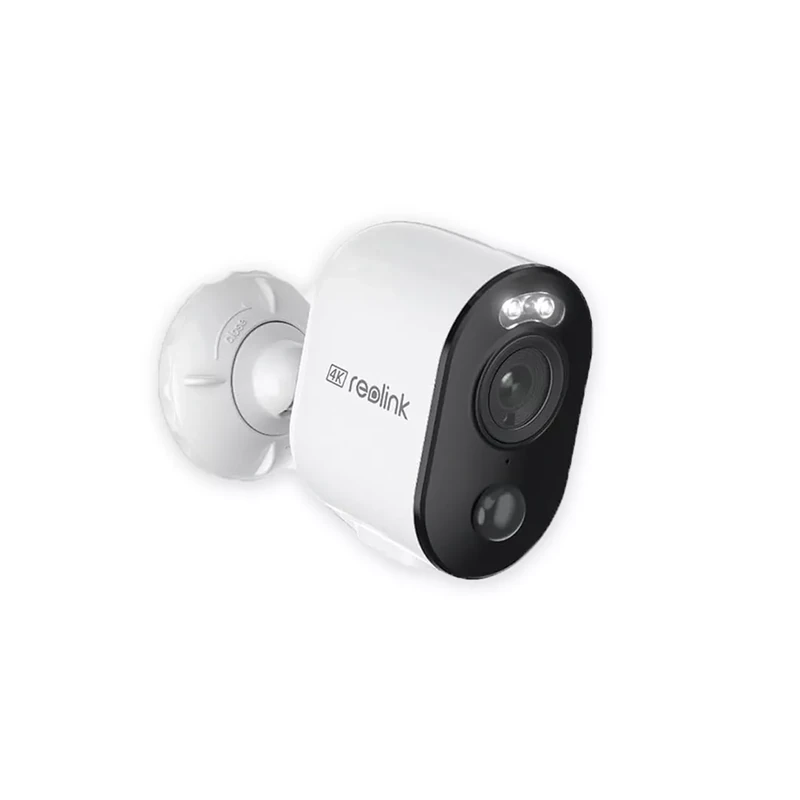
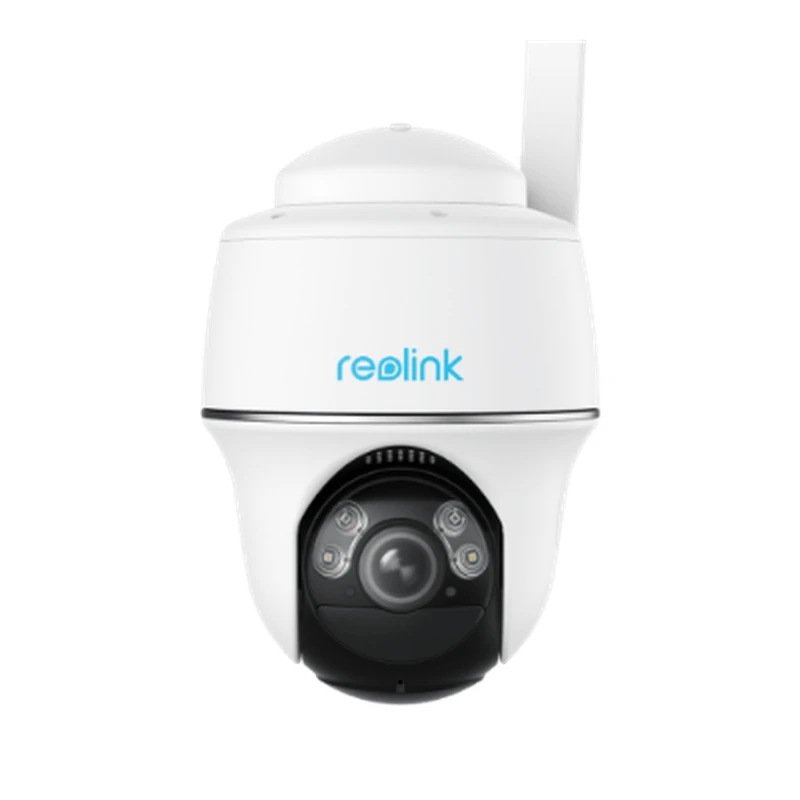
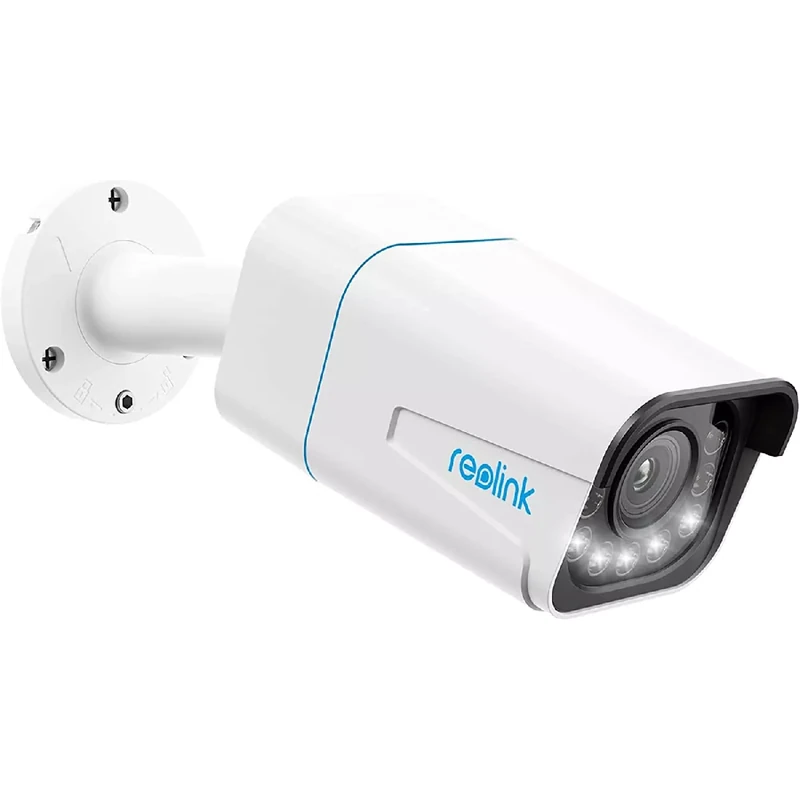
La gamme Reolink 2026 face à Arlo, Hikvision, Ezviz et Dahua : 4K sans abonnement, installation DIY, écosystème solaire — les atouts distinctifs.
Arlo is the main competitor in the premium wireless camera market.
| Criterion | Reolink | Arlo |
|---|---|---|
| Average price | £35–95 | £90–230 |
| Subscription required | No | Yes (limited functions without) |
| Local storage | Yes (microSD + NVR) | Limited (cloud priority) |
| Max resolution | 4K | 4K |
| RTSP compatibility | Yes | No (recent versions) |
| Warranty | 2 years | 1 year |
Against Hikvision, Reolink offers a consumer-friendly interface and intuitive DIY installation. Hikvision remains more powerful in professional contexts; Reolink wins on ease of use and price.
Against Arlo, Reolink wins on value: no mandatory subscription, native 4K resolution, and an unbeatable solar camera ecosystem.
Verdict: Reolink wins on value for money and no mandatory subscription. Arlo offers better Apple HomeKit integration.
Reolink vs Hikvision
Hikvision is the world leader in professional video surveillance.
| Criterion | Reolink | Hikvision |
|---|---|---|
| Target | Consumer | Pro + consumer |
| Price | Accessible | Mid to high |
| AI features | Standard (human/vehicle) | Advanced (facial recognition) |
| Interface | Simple (Reolink app) | Complex (iVMS-4200) |
| Support | Online | Authorised resellers |
| RTSP/ONVIF | Yes | Yes |
Verdict: Hikvision is more complete for professional installations. Reolink is more accessible and simpler for the general public.
Reolink vs Ezviz
Ezviz (Hikvision brand) is Reolink’s direct competitor in the consumer segment.
| Criterion | Reolink | Ezviz |
|---|---|---|
| Price | Similar | Similar |
| Max resolution | 4K | 4K |
| Local storage | Yes | Yes |
| Cloud subscription | Optional | Optional |
| Mobile app | Good | Good |
| Third-party NVR compatibility | ONVIF | ONVIF |
Verdict: Reolink and Ezviz are very similar. Reolink offers better PoE and 4G options; Ezviz has a better physical distribution network in the UK.
Reolink vs Dahua
Dahua is the other Chinese giant in professional video surveillance.
| Criterion | Reolink | Dahua |
|---|---|---|
| Target | Consumer | Pro |
| Ease of installation | Very simple | Complex |
| Advanced features | Standard | Very advanced |
| Price | Affordable | Mid-range |
Verdict: Dahua is aimed at professional installers. Reolink is clearly preferable for a private individual who installs themselves.
Conclusion: when to choose Reolink?
Choose Reolink if:
- You are a private individual installing yourself
- You want to avoid cloud subscriptions
- You need good value for money
- You want integration with Home Assistant or NAS (RTSP)
- You need facial recognition (Hikvision/Dahua)
- You are in the Apple HomeKit ecosystem (Arlo)
- You have a complex professional installation (Hikvision/Dahua)
Consider an alternative if:
See also
See Also
Comparative Analysis: Reolink vs the Major Brands in 2026
Reolink vs Arlo: Arlo offers comparable wireless camera quality, but its business model relies on a monthly cloud subscription (from around £3/month) to access recordings. Without a subscription, Arlo’s functionality is severely limited. Reolink provides free local microSD recording and remote access without any subscription — a significant financial advantage over 3 to 5 years of use. Build quality and 4K resolution are comparable on equivalent models. Reolink vs Ring: Ring (Amazon) is deeply integrated into the Amazon ecosystem but depends on a Ring Protect subscription (£3–£10/month) for recordings. Reolink remains more open, compatible with a wider range of third-party ecosystems and requires no mandatory cloud plan.
Reolink vs Hikvision: Hikvision is the professional market benchmark, with an extensive range and advanced AI features. However, prices are significantly higher, configuration is more complex (dedicated iVMS-4200 software) and products are less accessible to residential users. Reolink targets the residential and SMB segment with intuitive setup and unbeatable value for money. Reolink vs Nest/Google: Google Nest cameras require a Google Home subscription for continuous recording (from £6/month). Reolink needs no subscription and stores everything locally — a compelling advantage for privacy-conscious users.
Why Reolink Stands Out in 2026: Value and Independence
Reolink differentiates itself on three key points in 2026. First, no mandatory cloud subscription: all essential features (recording, alerts, remote access, AI detection) are free and included in the camera price. Second, a complete and coherent ecosystem: WiFi, PoE and 4G cameras, NVRs, video doorbells — all managed from one app with a consistent user experience. Third, a proactive update policy: Reolink regularly releases free firmware updates adding new features (AI detections, smart home integrations, security patches) to existing models, extending their useful lifespan.
On cybersecurity, Reolink has steadily strengthened its practices: TLS-encrypted communications, two-factor authentication since 2023 and participation in bug bounty programmes. This mid-market positioning — between basic consumer brands and complex, expensive professional solutions — explains Reolink’s steady growth across the European market since 2020.
Frequently Asked Questions — Reolink vs Competitors
Compare subscription requirements as closely as the hardware specs — a cheaper camera with mandatory cloud fees can cost more over three years than a pricier one with local storage.
Are Reolink cameras as reliable as Hikvision?
For residential and SMB use, yes. Reolink delivers comparable reliability on core functions (continuous recording, detection, remote access) with a far simpler setup and lower price. Hikvision retains the edge for large-scale professional deployments.
Is Reolink more cost-effective than Arlo over 5 years?
Yes. An Arlo Secure subscription costs £36 to £120 per year depending on the plan. Over 5 years, a household spends £180 to £600 on Arlo cloud subscriptions, while Reolink requires none. That saving easily funds 2 to 4 additional Reolink cameras.
Ring or Reolink for an Amazon Alexa smart home?
Ring integrates more deeply into the Amazon ecosystem but requires a paid subscription. Reolink is Alexa-compatible and offers the same essential Echo Show display features without any subscription or single-ecosystem lock-in.
Are Reolink cameras GDPR-compliant?
Yes, when configured correctly: local-only storage or encrypted cloud, visible signage for people being filmed, limited data retention. Reolink provides all the tools needed for GDPR-compliant use.
Will Reolink offer more advanced AI features in 2026?
Yes. Reolink is actively developing on-device AI features: licence plate recognition, people counting and zone intrusion detection. These are progressively deployed via free firmware updates on recent models.
The Bottom Line: Which Brand Should You Choose?
For most residential users in the UK and Europe, Reolink represents the best overall value in 2026. The combination of no mandatory cloud subscription, free local recording, a complete product ecosystem and regular firmware updates puts it ahead of Arlo, Ring and Nest/Google on pure value grounds. Hikvision remains the better option for large-scale professional deployments requiring advanced analytics, but for home users and small businesses, Reolink’s balance of price, features and ease of use is difficult to beat. Before making your final decision, check current pricing on Amazon.co.uk — seasonal promotions regularly bring flagship models such as the Argus 3 Pro and RLC-810A within the reach of tighter budgets.